
Indian kitchens are built on a beautiful idea; one ingredient, endless possibilities. The same spice or pantry staple can move effortlessly from a quick snack to a rich gravy, simply by changing how you use it.
If you’re exploring multi-use ingredients in India or looking for smart cooking hacks, this guide will show you how to get more flavour (and value) from everyday staples.
1. Chaat Masala – The Ultimate Finishing Touch
Chaat masala isn’t just for chaat; it’s a universal flavour enhancer.
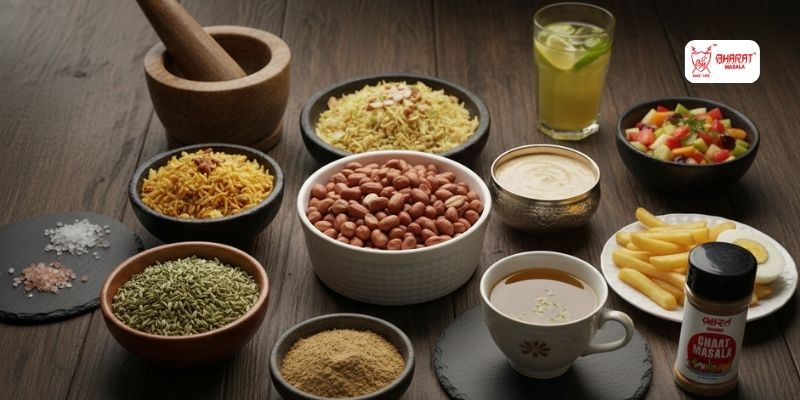
In snacks, it adds a tangy punch to fruits, fries, and roasted makhanas. In gravies, just a pinch at the end can brighten up the entire dish by lifting all the flavours.
💡 Pro tip: Always add it at the end to preserve its sharp, zesty taste.
2. Roasted Cumin (Jeera) – Aroma That Works Everywhere
Roasted cumin powder (jeera) is one of the most versatile spices in Indian cooking.
It adds warmth to snacks like chaas and raita, while in gravies and dals, it builds a comforting base aroma—especially when used in tadka.
💡 Use it in: Buttermilk, curries, pulao, and even fruit bowls.
3. Peanuts – From Crunch to Creaminess
Peanuts are far more than just a snack.
Use them crushed for crunch in poha or salads, or grind them into a paste to thicken gravies and chutneys. They add richness, body, and a nutty depth that’s hard to beat.
💡 Dual role: Texture enhancer + natural thickener.
4. Fennel Seeds- Sweet Balance to Bold Flavours
Fennel (variyali) brings a gentle sweetness that balances spicy dishes.
In snacks, it’s used as a mouth freshener or infused in teas. In gravies, especially in Gujarati and North Indian cooking, it softens heat and adds a subtle aromatic note.
💡 Try this: Add crushed fennel to tomato-based gravies for a flavour twist.
5. Black Salt (Kala Namak) – A Tangy Game Changer
Black salt (kala namak) is known for its distinctive tangy flavour.
It’s a staple in fruit chaats and drinks like shikanji, but it also works beautifully in gravies—especially when you want to add a hint of acidity without using lemon.
💡 Best use: Sprinkle lightly, it’s strong but transformative.
Why Multi-Use Ingredients Matter
Using versatile ingredients in your kitchen:
- Saves time and effort 🕒
- Reduces the need for too many products 🧂
- Helps you experiment with flavours creatively 🍽️
It’s a smarter, more efficient way to cook, something Indian kitchens have mastered for generations.
Final Thoughts
From a quick evening snack to a full-fledged curry, the same ingredient can play multiple roles, it just depends on how you use it.
Mastering these multi-use Indian ingredients not only improves your cooking but also makes your kitchen more intuitive and efficient.
So next time you reach for a spice, think beyond one dish, because in Indian cooking, versatility is the real secret ingredient.